Growth marketer who builds
I'm Adil Rafeeque. I help brands get found on Google and AI search, then turn that traffic into leads with Meta and Google Ads. Digital Marketing and SEO Head at Masirat Technology.
Brands I've worked with
Healthcare, real estate, eCommerce, education, and travel. Teams in Oman, Qatar, the UK, India, and Canada trust me with their search and ads.











Websites that rank and convert
- Website and SEOStarcare
From a brand new domain to 8.37K Google clicks in 12 months.
View case study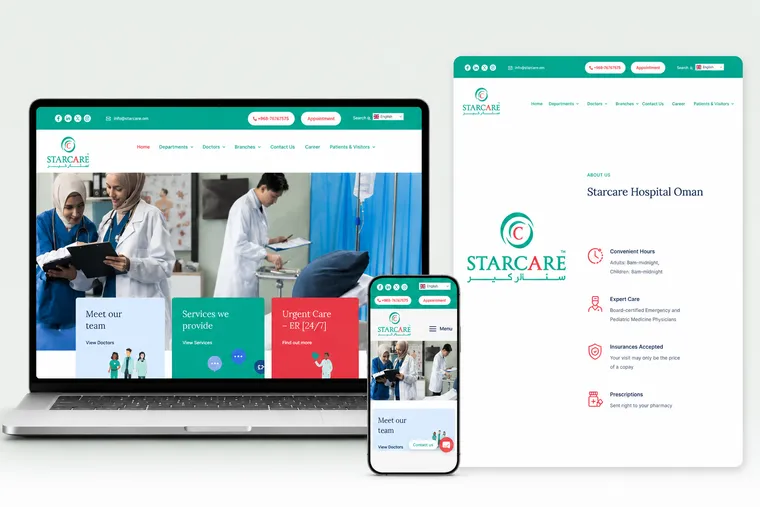
- SEO, website, and GEOMasirat
From under 10 clicks a month to 500+ from Google search.
View case study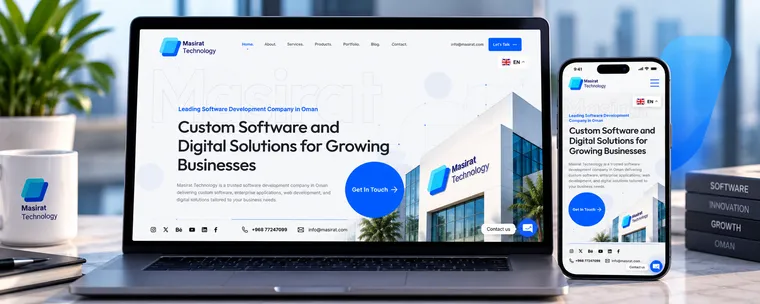
- Website and SEOJemas
A bilingual Arabic and English website for a new home care brand in Qatar.
View case study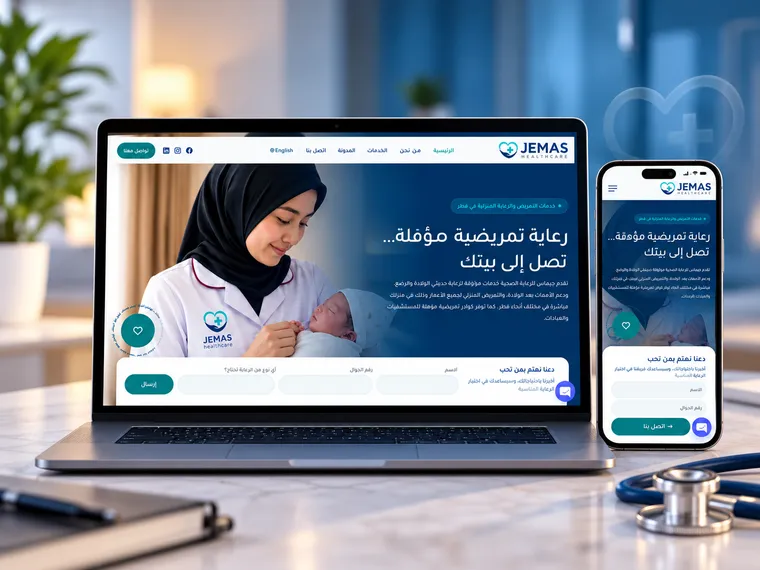
- Website and SEOYosr
A property website built from scratch, with listings that are easy to manage.
View case study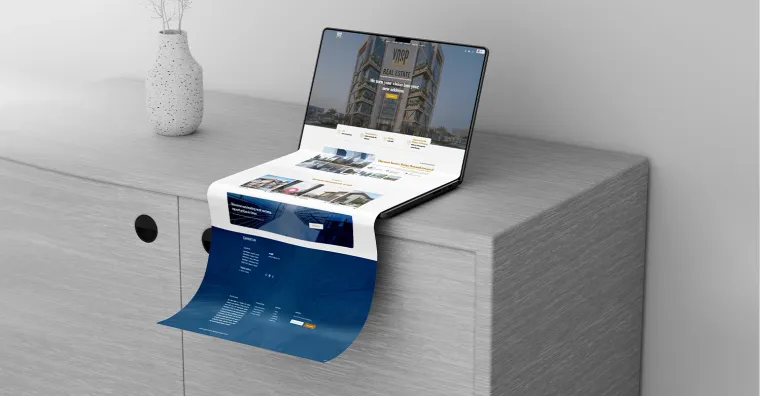
- Website and SEONan's Care
From no website to about 100 clicks a month from Google.
View case study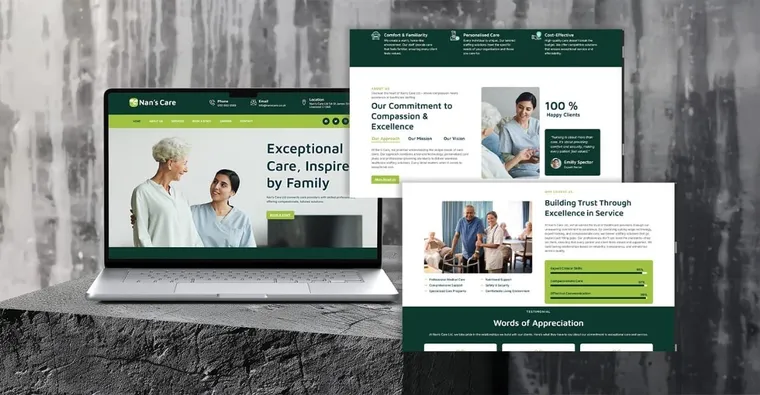
- Web designMySkills
A clean contests platform for creators across Canada.
View case study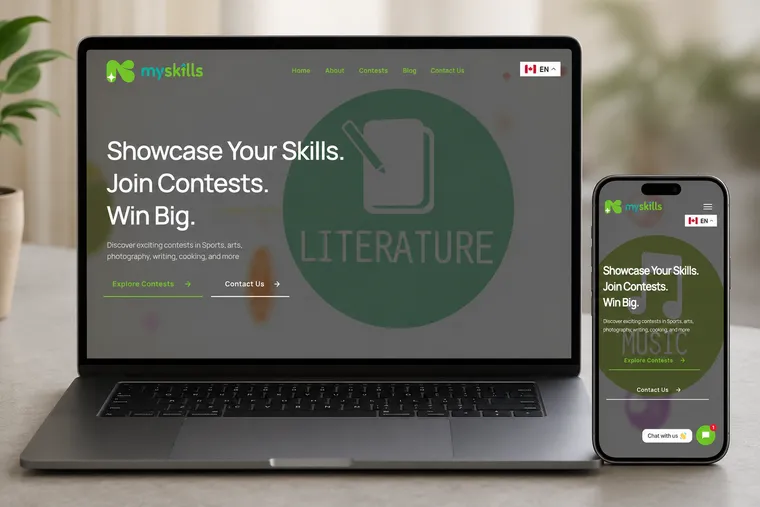
What I do
Full digital marketing for brands that want real results, built on the three things I do best. Pick one, or let me handle all of it.
SEO
Show up on Google and in AI answers like ChatGPT when people search for what you sell. I fix the tech, plan the content, and earn the links that move you up.
- Technical SEO and full site audits
- Keyword research and content plans
- On page SEO for every key page
- Local SEO and Google Business Profile
Web Development
Fast, clean websites that look sharp on phones and are ready to rank on Google from the first day they go live.
- WordPress and Shopify websites
- Custom builds with modern tools like Astro
- Mobile first design
- Speed and Core Web Vitals
Performance Marketing
Meta and Google ads that bring real leads, not just clicks. Tracking is set up right, so you know exactly what every campaign brings in.
- Meta Ads lead campaigns
- Google Ads search campaigns
- Tracking with GA4, Meta Pixel, and conversions
- Ad copy and creative direction
- 3+years in SEO, ads, and web
- 20+websites built and launched
- 600+keywords ranked in total
- 10k+leads generated for clients

Marketer first. Builder always.
I lead digital marketing and SEO at Masirat Technology in Muscat. Before that, I co-founded Domaindotin in Kerala, running SEO, paid ads, and web builds for healthcare, eCommerce, and education brands.
On the side I build Chrome extensions, WordPress plugins, and themes.
More about meCertified and qualified
Certificates that back up my work in search, ads, analytics, and inbound marketing.
- Google Ads SearchPaid advertisingGoogle2024
- Google Analytics 4AnalyticsGoogle2024
- Meta Digital MarketingSocial mediaMeta2024
- Semrush SEO ToolkitSEOSemrush2024
- HubSpot Inbound MarketingInbound strategyHubSpot2024
Things I built
Free tools I made to solve real problems, from a Shopify app to Chrome extensions and WordPress plugins. Used by real stores and site owners.
Kind words
Adil built our website from scratch and made sure it was fully optimized for search engines from day one. The site is clean, fast, and exactly what we needed. He understood our requirements and delivered without any back and forth.
 Nan's CareHealth care solutions, UK
We hired Adil to redesign our website and handle SEO. Within a few months, our search visibility improved significantly. He is thorough, communicates well, and actually delivers on what he promises.
 StarcareMedical centre, Oman
Adil leads our entire digital marketing and SEO efforts. He built our company website and continues to improve our search rankings and online presence. He is reliable, proactive, and always stays on top of the latest trends.
 Masirat TechnologySoftware company, Oman
Adil handled our SEO and Meta Ads campaigns remotely. He was professional, responsive, and the results spoke for themselves. Our lead generation improved noticeably during the time we worked together.
 Fortuwest InternationalTraining institute, UK
Adil designed a professional and user-friendly website for us. He was easy to work with, understood our vision quickly, and delivered a site that we are proud to share with our audience.
 MySkillsContests platform, Canada
Fresh from the blog
Best GEO Tools to Track and Grow Your AI Search Visibility
The best GEO tools for tracking how ChatGPT, Perplexity, Gemini, and AI Overviews mention your brand, plus free tools for schema, crawling, and AI traffic.
ReadFAQ Content Strategy for GEO: Write FAQs That AI Tools Cite
FAQ sections are one of the easiest ways to get cited by AI search tools. Learn how to choose the right questions, write strong answers, and add FAQ schema.
ReadGEO for Small Businesses: Get Recommended by AI on a Small Budget
A simple GEO guide for small businesses. Learn how to get recommended by ChatGPT, Gemini, and Google AI Overviews with clear pages, reviews, and local profiles.
Read